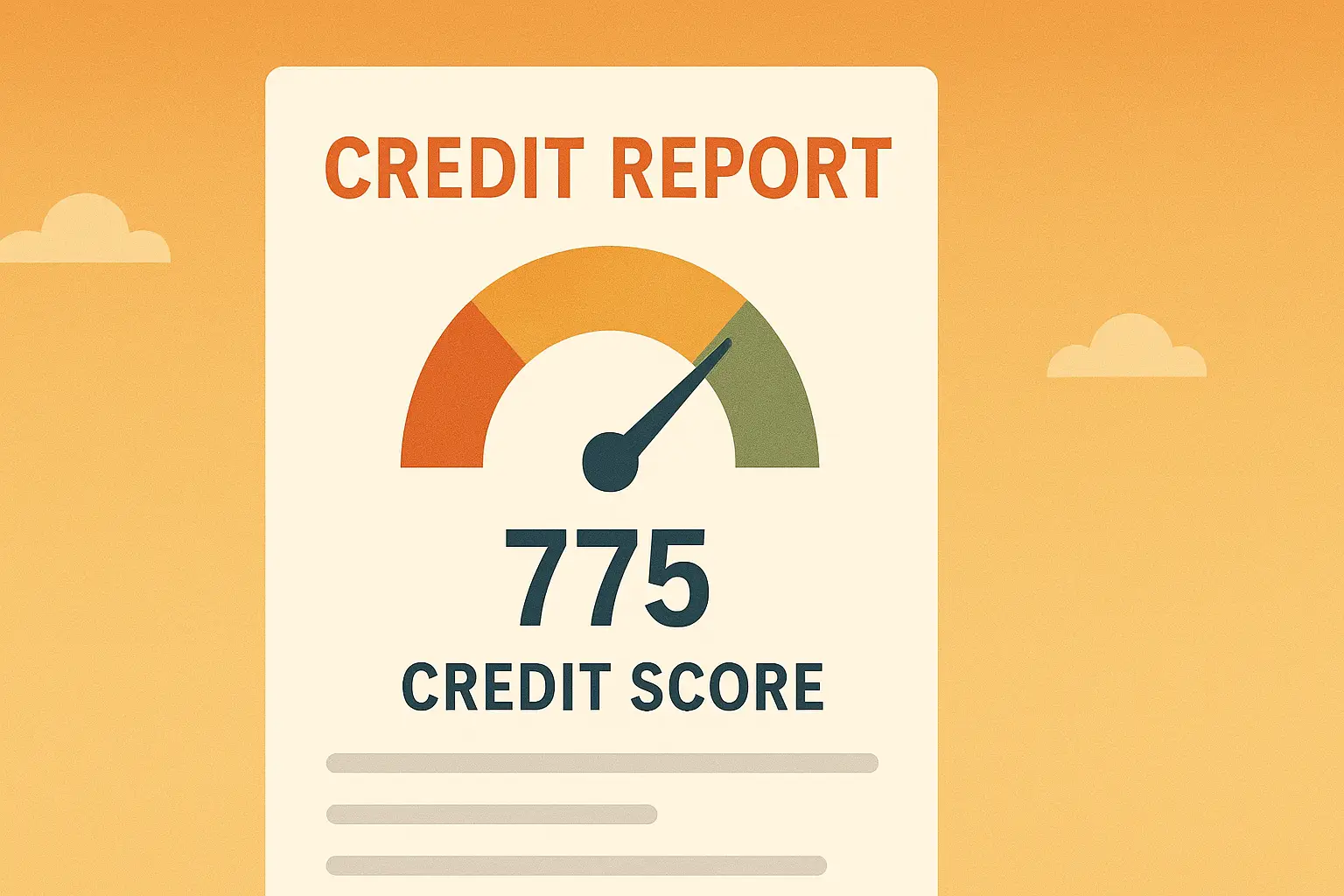
Your credit score is a three-digit number that represents your overall creditworthiness. It’s calculated using data from your credit report and helps lenders predict how likely you are to repay borrowed money.
Scores typically range from 300 to 850, with higher scores indicating lower risk. Factors influencing your score include payment history, total debt, credit mix, account age, and recent inquiries. Of these, on-time payments carry the greatest weight.
A strong credit score benefits you in several ways: it can help you secure loans faster, negotiate lower interest rates, and even influence non-financial aspects of life such as renting an apartment or getting a job. Conversely, a low score may limit access to financial products or lead to higher borrowing costs.
Building and maintaining a high score requires discipline. Pay all bills promptly, avoid carrying high balances, and refrain from opening too many new accounts at once. Keeping older accounts active also helps, as it demonstrates financial stability over time.
Credit scores evolve constantly. Checking yours regularly through authorized platforms helps you monitor progress and catch issues early. If your score drops, understanding why allows you to take corrective action quickly.
In summary, your credit score is your financial reputation in numbers. Protect it, nurture it, and it will reward you with better financial flexibility and peace of mind.