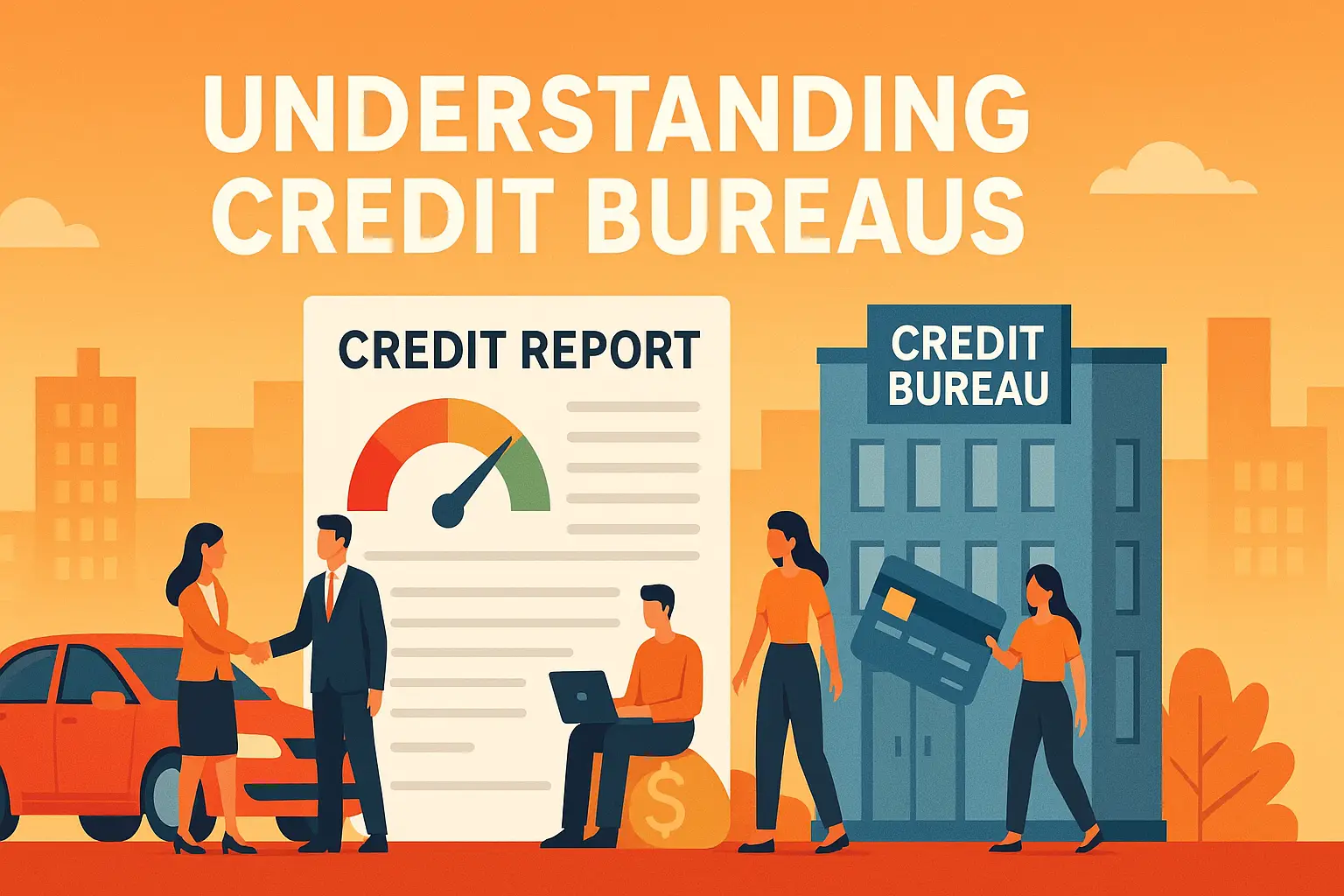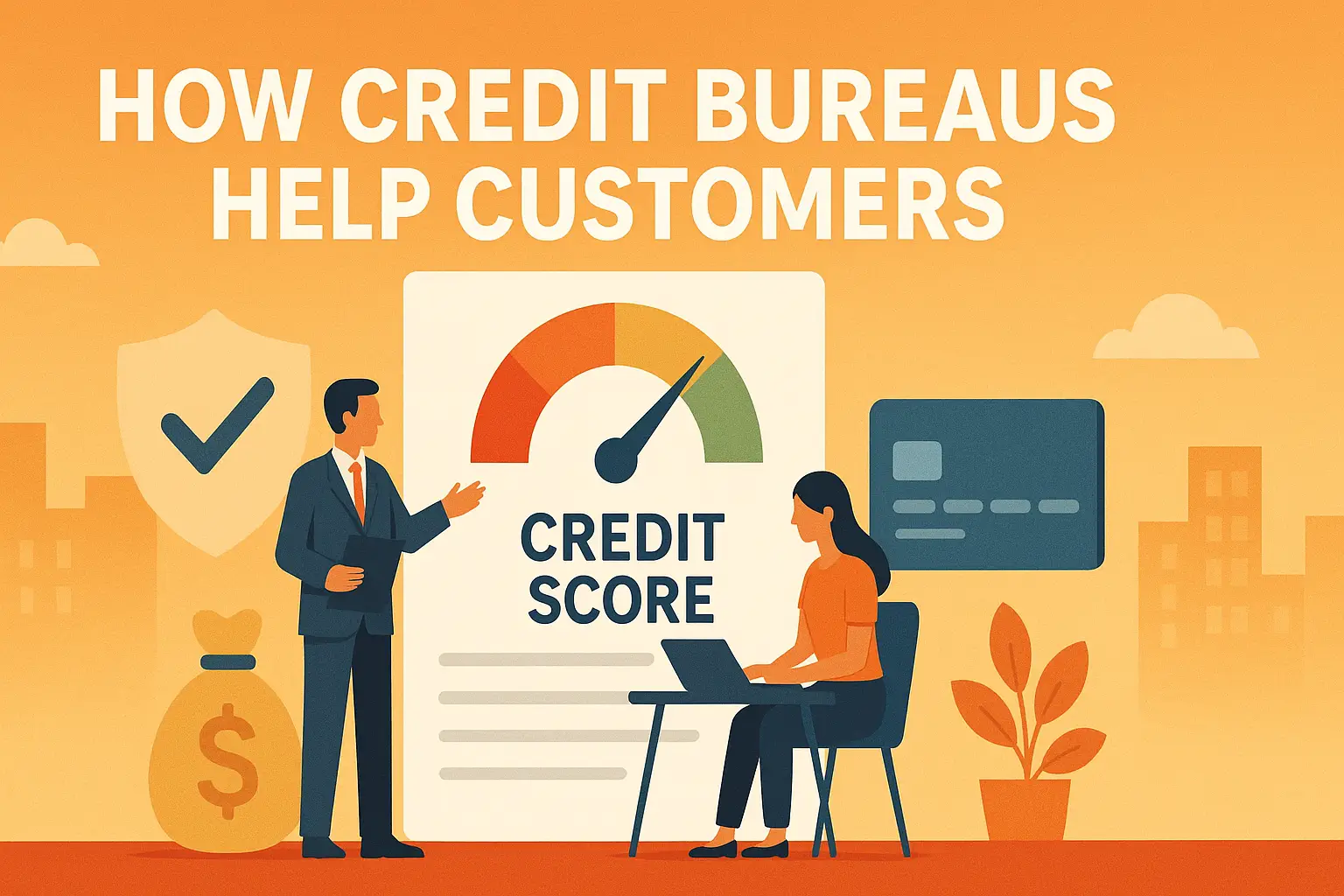
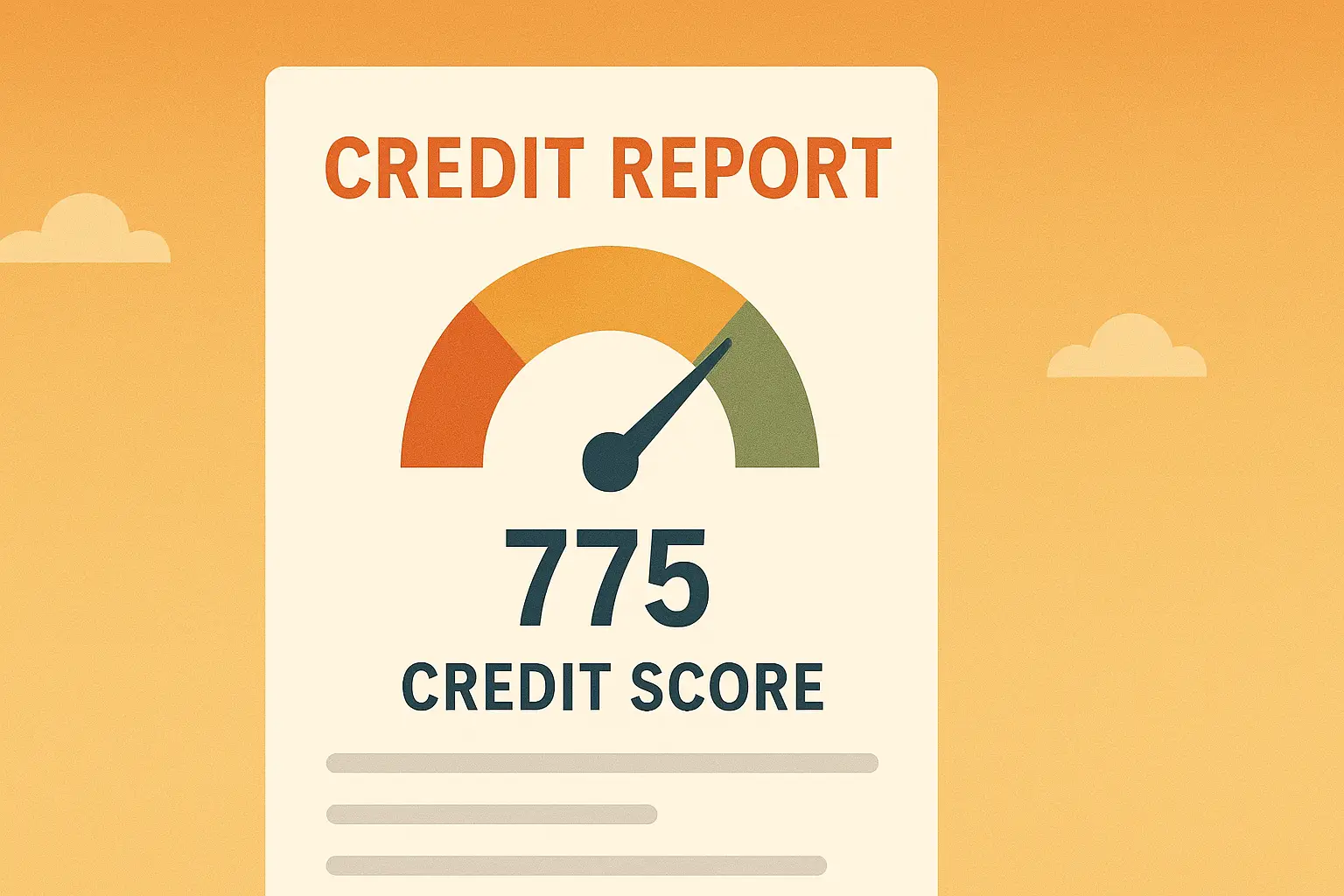
Your credit report is a comprehensive summary of your financial history. It’s the document lenders use to decide whether to approve your loan or credit application. Understanding what it contains helps you manage your financial life with confidence.
A standard credit report includes:
- Personal Information: Your full name, date of birth, national ID, and contact details.
- Credit Accounts: A list of all loans, credit cards, and lines of credit—along with opening dates, limits, and balances.
- Payment History: Records of whether you’ve paid on time or missed any payments.
- Public Records: Any bankruptcies, judgments, or liens filed in your name.
- Inquiries: A list of institutions that have requested your report recently.
Each section contributes to your credit score, a numerical reflection of your reliability. Timely payments and long-term accounts improve it, while late payments or excessive borrowing may lower it.
Reviewing your report regularly is essential. It ensures all information is accurate and protects you from identity theft or data errors. If something looks incorrect, you have the right to file a dispute, and the bureau must investigate.
Remember, your credit report tells your financial story. Maintaining a clean, consistent record shows lenders you are trustworthy. It’s more than just a file—it’s a tool for building credibility and accessing new opportunities.